The biggest predictor of whether travel soccer pays off is not the club, the coach, or the tournament schedule. It is whether the player trains outside of what the program schedules.
Loading your guide…

For travel soccer families
Club fees, tournaments, hotels, gear. Travel soccer is one of the largest discretionary investments families make. Whether it pays off in real player development depends almost entirely on one factor most families never measure.
The biggest predictor of whether travel soccer pays off is not the club, the coach, or the tournament schedule. It is whether the player trains outside of what the program schedules.
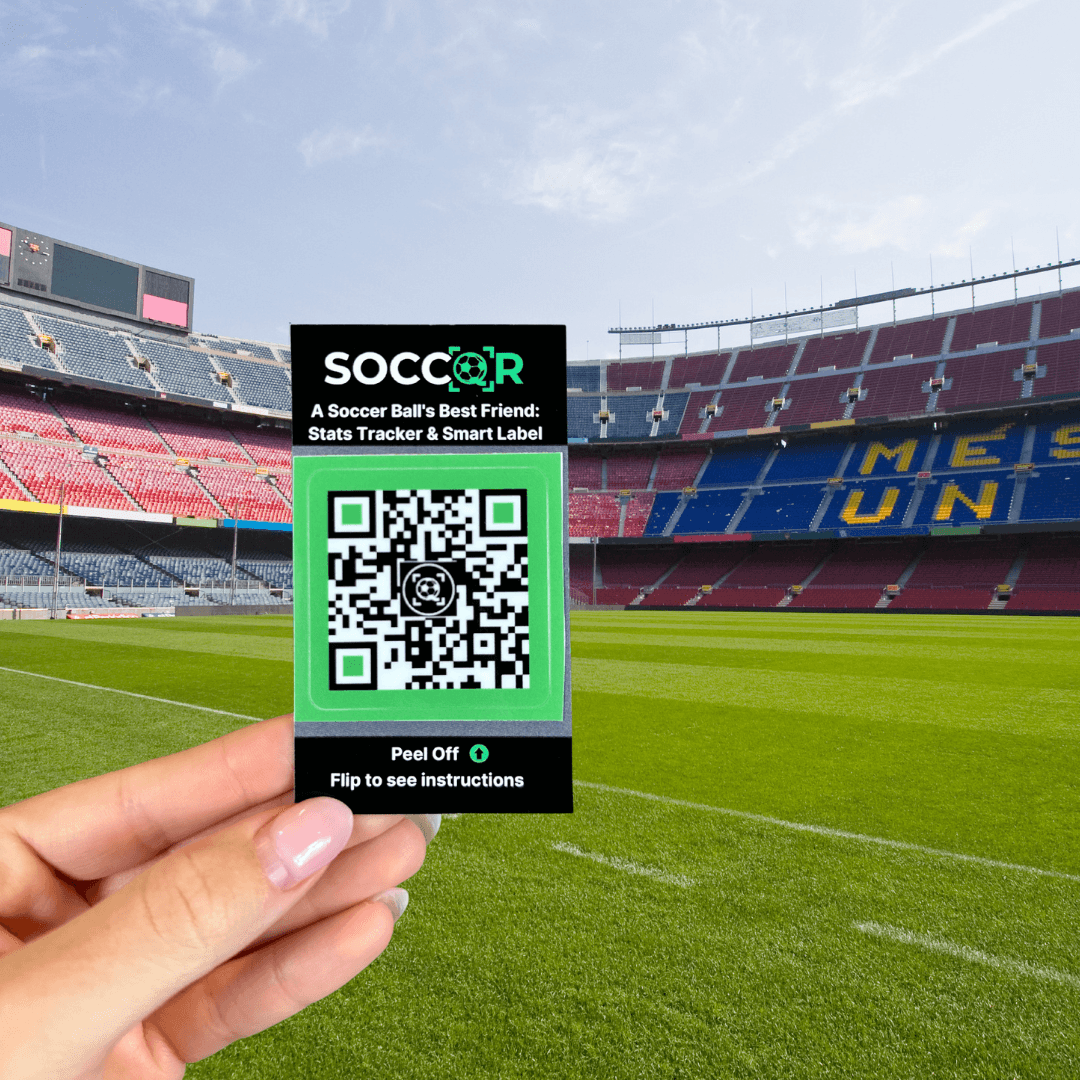
A session log that builds a real record of individual training; one that players own, coaches can see, and families can point to.
The full cost is almost always higher than the registration fee suggests.
| Cost category | Typical annual range |
|---|---|
| Club registration and coaching fees | $2,000 – $6,000 |
| Tournament entry fees (per season) | $1,500 – $4,000 |
| Travel: hotels, gas, flights | $2,000 – $6,000 |
| Uniforms, gear, and equipment | $400 – $1,200 |
| Individual training or skills sessions | $500 – $3,000 |
| Total annual investment | $6,000 – $20,000+ |
The wide ranges reflect real variation; a regional travel team is different from a nationally competitive DA or ECNL program. But even at the lower end, most families are committing $6,000 to $10,000 per year before the season starts. For families with multiple children in travel programs, the number doubles or triples.
That level of investment deserves an honest answer to one question: is your player actually getting better?
Not everything that costs money produces development. And the most important variable is usually free.
Tournaments give players game experience, but development happens in training. A club with 10 tournaments and mediocre coaching will produce worse outcomes than a club with 6 tournaments and coaches who actually build individual skills. Ask how your player's technical deficiencies are being addressed, not how many games are on the schedule.
This is the biggest variable most families overlook. Two team practices a week is the program baseline. The players who develop fastest are adding two to four individual sessions on top of that. The club does not schedule those sessions. Players and families do. If your player is only training on program days, they are leaving development on the table.
Not all practice time is equal. A 90-minute session with 30 players and one coach means each player gets limited touches. Watch what your player is actually doing during a practice; standing in lines, watching others, or working with the ball. Volume of quality touches over a season predicts development more reliably than anything else.
Is your player getting coached on the specific skills their position demands? Or are they running generic drills that apply equally to everyone? Elite development is position-specific by early adolescence. If the program treats all players identically, the individual development is slower.
Win-loss record is the wrong metric. Here are better ones.
The investment works when the player understands it and buys in. Most do not have this framed for them clearly.
Most travel soccer players understand that their family is spending money on the program. Fewer understand the magnitude; the full $8,000 to $15,000 picture; and almost none have had a conversation that connects individual training habits to whether that investment pays off.
That conversation is worth having. Not as pressure, but as context. "We're doing this because you want to play at a high level. The coaching staff can get you there on practice days. What you do between those days is the part only you control."
Players who understand that connection train differently. They do not need to be told to go work on their weak foot; they have a reason to.
Have your player log three individual sessions this week. Doesn't need to be long; 20 to 30 minutes each. At the end of the week, look at the log together. That record is the beginning of a training habit, and it's visible to coaches.
Get SoccQR tagsThe development gap that forms between practices; and the habits that close it.
Read training guideThe training-activity view coaches actually need; without adding admin overhead.
Read coach guideTags, player stats, sessions, teams, and Coach Mode; the full product overview.
View product guide