Most lost balls are not stolen; they are unidentified. A finder with no contact info has no way to return the ball even if they want to.
Loading your guide…

Guide
It is rarely theft. Most lost soccer balls disappear because of identical equipment, fast pack-ups, and no easy way for a finder to return what they accidentally picked up.
Most lost balls are not stolen; they are unidentified. A finder with no contact info has no way to return the ball even if they want to.
A label with selected contact options gives a finder a direct next step instead of showing only a name.
Once you see the pattern, it becomes obvious why this keeps happening; and why the usual solutions don't work.
At a busy practice with 12 kids, half the balls are the same brand, same size, same color. When drill time ends and gear gets scooped into bags, the wrong ball leaves with the wrong family; often without anyone noticing until the next session.
Coaches wrap up drills, kids scatter, parents are already walking to the parking lot. There is no organized gear check. Balls get grabbed quickly, and nobody stops to verify ownership.
Tournaments are the worst. Multiple teams, multiple fields, shared warm-up areas, fast turnarounds between games. A ball rolled to the sideline ends up in the wrong gear bag before the final whistle blows.
Someone may pick up a ball that looks like theirs and leave without noticing the mix-up. Without a name or contact path, they have no clear way to identify the owner or arrange a return.
The common thread across all four reasons is the same: there is no information on the ball that helps a stranger return it. Without a name or contact path, the finder has no clear next step.
The balls that make it home have one thing in common: the finder knew who to contact and how.
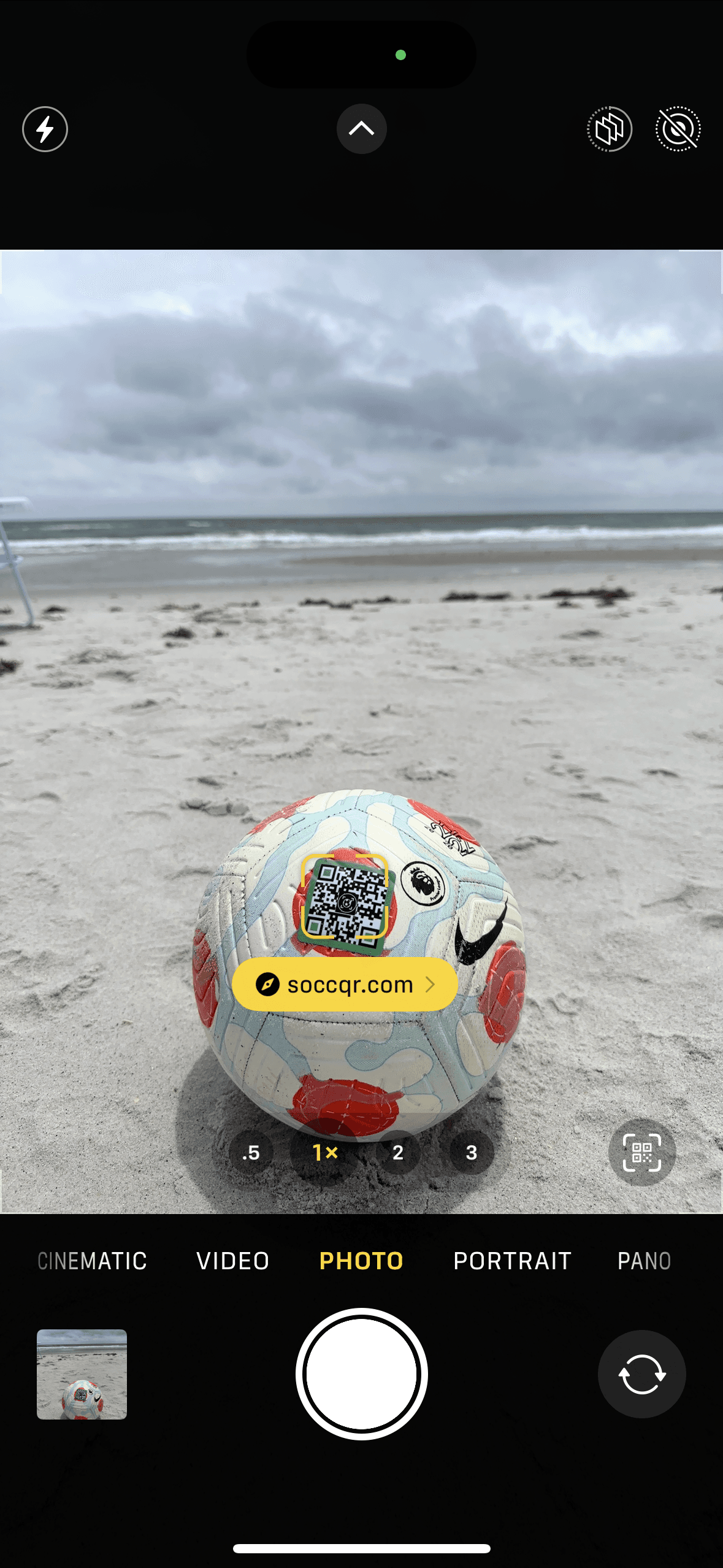
A ball with a QR tag gives a finder a clear path: scan the code, see the ball name, photo, and return message, then use one of the contact options the owner chose. No SoccQR app or finder account is required.
That contact path does not guarantee a return, but it gives someone who finds the ball a practical way to reach its owner.
Four practical steps that can reduce mix-ups and make your ball easier to identify.
Do not wait until after the ball goes missing. Apply a clear label before the first session so the return information is already in place at practices, tournaments, and carpools.
A name in marker helps identify the ball. A QR tag also gives the finder selected contact options, creating a direct next step.
Not just your last name; something specific. "Romeo's Adidas Tiro" or "Blue Puma; Sanchez" cuts through the confusion when three kids have the same last name on the same team.
If you are using a QR tag, fill out the return page before the ball leaves the house. Add the ball name, photo, message, and the contact options you want to share.
It happens. Use this checklist before you assume the ball is gone for good.
Coaches often collect stray balls at the end of practice without realizing they belong to a specific player. A quick message usually resolves it.
A team group chat is a useful place to ask. Describe the ball specifically; brand, color, size, and any markings.
Parks and recreation centers, gyms, and club facilities often have a lost and found that goes unchecked. It is worth a look before buying a replacement.
Set up the ball return page before the next practice so a finder has a clear way to identify the ball and contact you after scanning.
Choose a packA full breakdown of every labeling method and why only one gives the finder a real next step.
Read label guideWhat makes a lost-and-found label actually work; and how SoccQR compares to stickers and markers.
View label optionsThe full product walkthrough: tags, player stats, sessions, teams, and coach tools.
View product guide