Loading your guide…

Looking after your gear
SoccQR cannot prevent theft, track a ball continuously, or force its return. It can give a willing finder an editable contact route. Pair a clear label with photos, equipment counts, and a consistent end-of-practice routine.
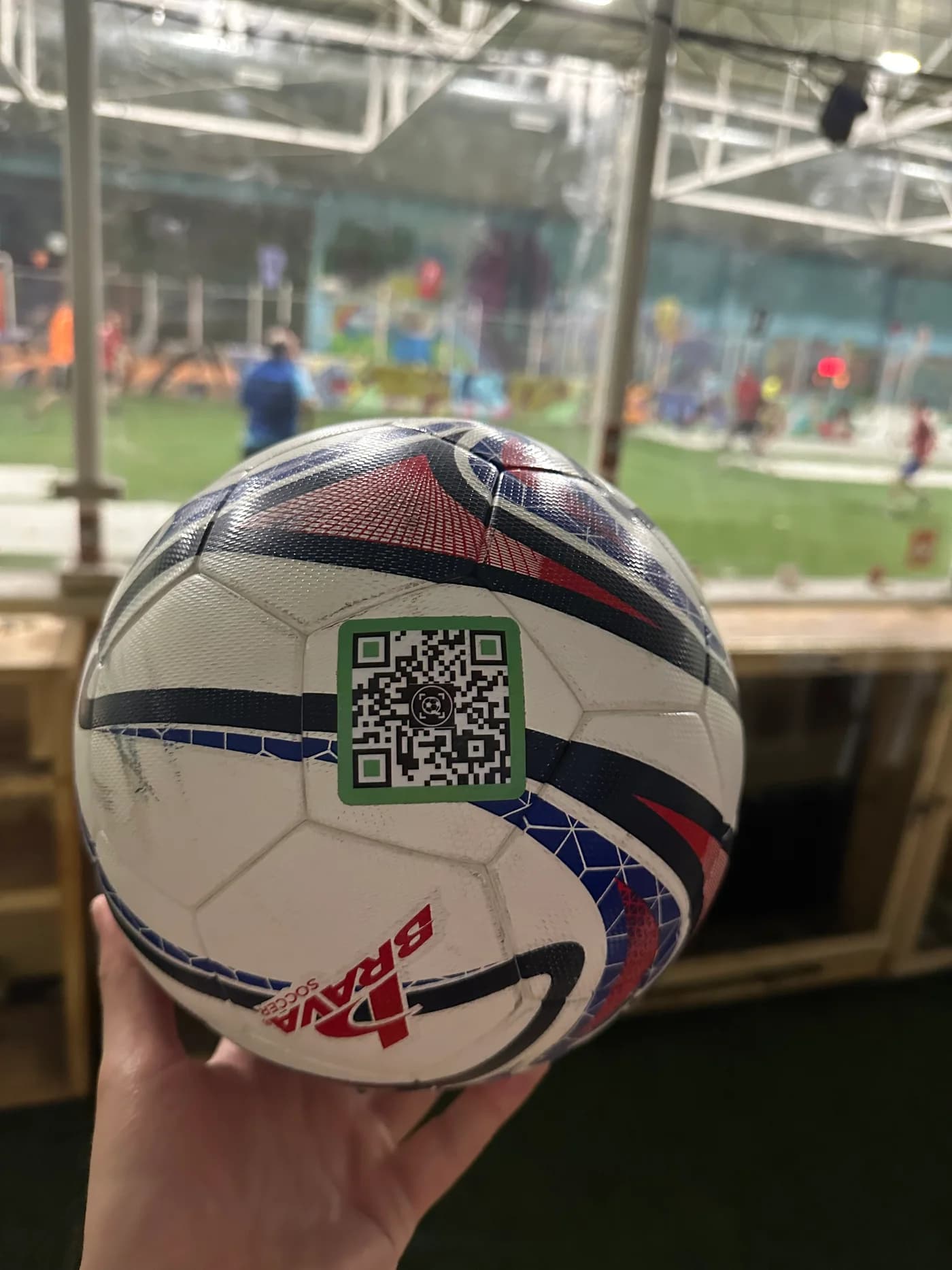
Photograph the ball's model, colors, and individual markings. Save the photo somewhere you can find it when describing the ball to a coach or venue. Add visible initials or an agreed team identifier if that helps distinguish identical equipment.
Use an adult contact label or a SoccQR return page alongside that identifier. The two jobs complement each other: recognizing the ball within your team and helping someone outside the team reach you. Keep a child's private schedule and home address off public finder messages.
Agree where balls and bags go during breaks. When the group moves fields, assign someone to check the original area.
For team equipment, note the starting count and check the final count before everyone leaves. A QR label does not count nearby balls automatically.
Confirm the marking or tag belongs to your family before putting the ball away. A similar model in the bag does not mean your own ball came home.
Start by checking whether the ball was picked up by mistake, packed in a team bag, or moved to lost and found. Give the coach or venue the identifying photo, last confirmed location, and approximate time. Describe what you know without treating a guess as proof.
For an already-tagged ball, mark it missing and make sure the return message and contact options still work. Keep any useful reports. A tag-page visit is not proof of who has the ball, and an optional location in a found report comes from the reporting phone; it is not continuous tracking of the equipment.
Let the venue help with an appropriate next step if there is evidence of deliberate removal. Avoid public accusations or confronting someone based only on a similar-looking ball or a scan event.
SoccQR's useful advantage is the maintained contact page: someone can scan, see the configured ball details, and use selected call, text, or email options without creating an account. A separate found alert can provide a note or optional location.
Someone can ignore, damage, or remove a label. The code has no battery or radio and cannot report where it went. If you are comparing anti-theft solutions, separate your need for a willing finder to contact you from your need for electronic location information. Neither a label nor a locator should be treated as a guarantee.
The missing physical code cannot be scanned from the ball. Other markings or a saved photo may still help identify it, but SoccQR does not detect tag removal.
No. A tag address can be opened from a link, and an ordinary visit does not prove possession, identity, or theft. Treat reports as information to check, not a verdict.
Disabling a tag is different from marking it missing. For a ball you want returned, review its missing status and public contact choices rather than assuming a disabled return page will help a finder.
A flexible tag. An editable return page. A clear next step for the person who finds your ball.
U.S. shipping included. Activation included. No monthly fee. Tags only; ball not included.